News

Send us an instant video message!

Would you like to send a video message to your loved one, or say thank you to our wonderful care team?

Now you can! Simply click on the button below to create and send us your very own video message.

It's really easy!

The button takes you to our very own Highfield video page, and with a couple of taps on your phone, tablet or laptop, you can record and upload a video message.

We'll see it gets to the right person and you can share it on Facebook with a single click if you'd like.

So go ahead and click the button now to send us your message: 

We can't wait to hear from you!

Read More
Information and Advice

The radio station to help people living with dementia

A new 24 hour radio station playing music chosen to evoke memories has been launched to help people living with dementia and their carers.

M4D Radio is a new non-commercial radio station playing songs from the 1930s through to the 1970s. Available 24 hours, 365 days a year, M4D Radio runs free of advertisements to maximise the holistic benefit of the music.

The station is part of the Music for Dementia campaign which aims to make music as accessible as possible so it can form part of the care plan for anyone affected by dementia.

Music supports people living with dementia to communicate beyond words.

M4D Radio 

Music is a wonderful connector and has the ability to bring people together in the here and now. It can enliven, stimulate and enable people living with dementia to express themselves creatively through musical engagement.

Research shows – and lived experiences demonstrate – that music can help reduce the often distressing symptoms of dementia, such as agitation, apathy and anxiety.

Poignantly, music supports people living with dementia to communicate beyond words. It also supports emotional health and wellbeing, particularly at a time when emotions can be overwhelming or difficult to process or manage. 

So, not only does music have a valuable role to play in enhancing quality of life, it helps carers in their vital roles.

Grace Meadows, programme director at Music For Dementia, explains the value of the radio station:

“Often people living with dementia and their carers don’t know how to access the music that matters to them.

At m4d Radio we are developing content with our listeners to make sure it’s what they want and need, through themed shows and era-specific stations in careful collaboration with our close partners.”

Read More
Information and Advice

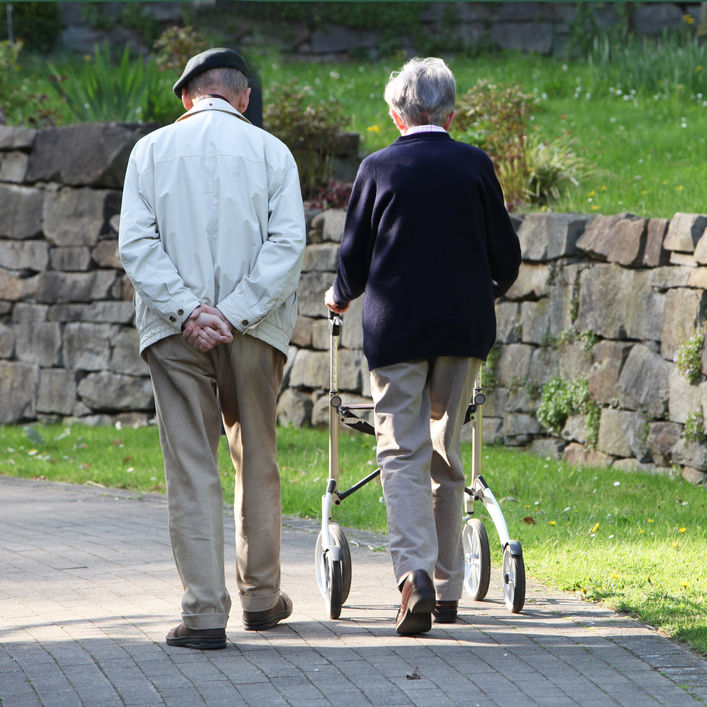
Reducing the risk of falls for older people

As we grow older, changes in our bodies such as deteriorating eyesight, weakening muscles and stiffening joints can all contribute to problems with balance and poor muscle tone which increase the risk of falling. 

Add health problems into the bargain - whether you have a long term condition such as diabetes or dementia, you’re recovering from a serious illness or surgery, such as stroke or heart problems, or suffer a short term illnesses, such as flu or urine infection - and your risk of falling increases significantly.

  Risk factors for falls

Most falls don’t cause serious injury but can leave you feeling distressed, and over the longer term can lead to a loss of self-confidence and independence.

Several factors can significantly increase the risk of falling so its important to be aware of these risks:

  • Hazards in the home

    Slippery surfaces(such as bathroom or kitchen floor tiles), internal steps, uneven garden paths, rugs on the floor and inadequate lighting can all cause problems even in the very familiar surroundings of your own home. 
  • Sensory and balance problems

    Reduced sensation (common in diabetes) , muscle weakness, poor balance or impaired vision can all impair freedom of movement.
  • Medicines

    The side effect of any medicine, or combination of medicines, can potentially be a risk factor for increased risk of falling so need to be taken into careful consideration.
  • Poor fitting footwear

    Loose slippers or shoes that don’t fit properly are an obvious hazard that can be easily be corrected.
  • Incontinence

    Rushing to get to the toilet or having to deal with awkward and bulky pads can cause problems.
  • Chronic disease

    Parkinson’s disease, stroke, dementia, delirium, low blood pressure, arthritis, diabetes, depression and osteoporosis are all major risk factors.

 How to reduce the risk of falls in the elderly

If you’ve had a fall, don’t just dismiss it as an inevitable part of getting older, lack of concentration or clumsiness.

Seek help... because there are plenty of things you can do to reduce your risk and seek yourself safe. Here are a few of our recommendations…

  • Talk to a health professional
    It’s a good idea to talk to your GP particularly if you have one or more of the conditions that puts you at heightened risk of falling. They will be able to review your medications and may well refer you to another health professional or service who can help.
  • Explore the possibility of modifications to your home to make it safer and easier to live in.
    Hazard proofing each room can improve safety. Remove or replace worn or frayed rugs or carpets that could trip you up, keep pathways clear of obstacles to give yourself room to move, and consider installing grab rails at strategic points. Make sure lighting is bright enough, particularly between bedroom and bathroom at night.
  • Eat properly.
    Maintaining a healthy and nutritious diet, and drinking enough fluids are essential to staying strong and active. 
  • Keep exercising.
    Staying active prevents your joints stiffening and your muscles weakening. A physiotherapist might be able to help you with balance and strengthening exercises and will ensure that any mobility aids you use, such as walking frame or sticks are the right height for you and are well maintained.
  • Make sure all clothing and footwear is easy to manage and fits well.
    The right shoes can make a big difference. Comfortable, firm fitting shoes with a good grip are essential, so get rid of loose fitting slippers that don’t support your feet and don’t walk about in just socks which have no grip. Make sure clothing doesn’t cause a trip hazard by being too long and is comfortable to move about in.
  • Consider fitting an emergency alarm
    These come in various forms but knowing that help is at hand in an emergency is an important confidence boost.

Situated on the outskirts of the picturesque town of Newent, here at Highfields we provide expert care for our residents, including those living with dementiaPlease give us a call us on 01424 233673 to find out more about our residential, respite and day care services.

Read More